

Cosmetic Dentistry
Cosmetic Dentistry
by AACD-accredited dentists
We are confident that we have one of the best cosmetic dental teams worldwide, as we have two dentists accredited by the American Academy of Cosmetic Dentistry.
Dr. Meza has developed a training system for a team that consistently delivers predictable results. Only you know the imperfections that make you feel self-conscious about your smile. With our smile design, we can recreate your smile to achieve the results you have been searching for.
Don’t worry about your teeth’s current status. Whether some of your teeth are chipped, cracked, or missing, our cosmetic dentists can achieve outstanding results using a variety of unique treatments, including dental crowns, porcelain veneers, teeth whitening, dental composites, and more.
Types of Cosmetic Dentistry Procedures
Dental Crowns
A crown, also known as a dental cap, is a type of dental restoration that completely caps or encircles a tooth or the metal frame that will be placed on a dental implant. The crown restores the tooth’s shape, size, strength, and appearance.
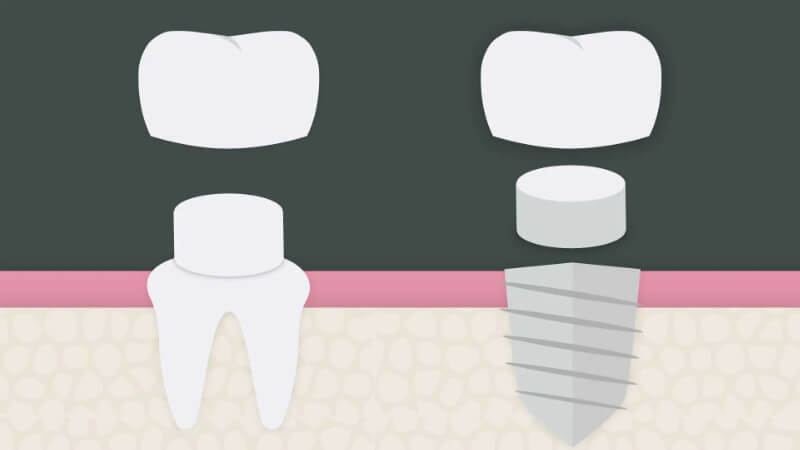
Dental crowns can be placed over a prepared existing tooth or an implant with the help of an abutment.
It is used to protect a weak tooth from breaking or to hold together parts of a cracked tooth.
To restore an already broken tooth or a tooth that has been severely worn down.
Cover and support a tooth with a large filling when there aren’t a lot of teeth left.
To hold a dental bridge in place.
To cover severely discolored or crooked teeth.
To be placed on top of a dental implant.
To make a cosmetic modification.
Advantages and Disadvantages
Improve the color and the shape of the tooth or teeth.
They provide the best possible protection for a heavily broken-down tooth.
Crowns last longer than any other type of dental restoration, including all types of fillings and implants.
Preparing for a crown entails grinding away some tooth structure, which is irreversible.
Dental Veneers
A dental veneer is a thin, custom-made shell or layer made of a unique material, usually porcelain, placed over a tooth to improve the aesthetics of a smile and protect the tooth’s surface from damage. Our porcelain veneers are digitally made using the latest technology in our dental lab.
Porcelain veneers can last up to 15-20 years, but of course, like natural teeth, their longevity depends on the patient’s health habits, and they are still susceptible to damage.
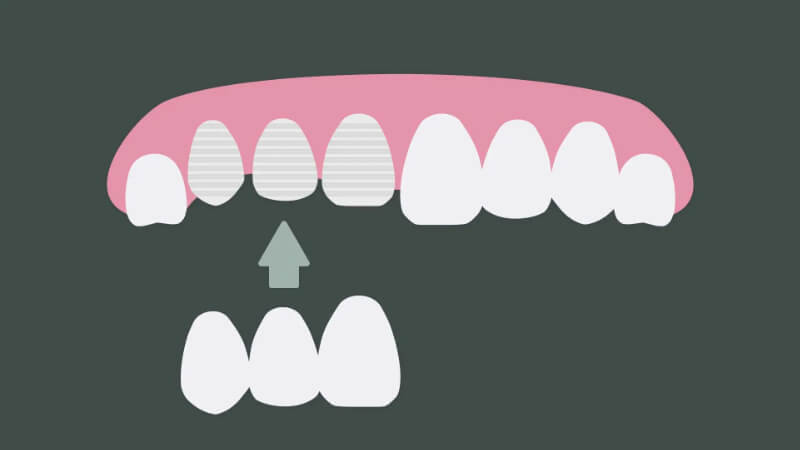
To place a dental veneer, the teeth must be slightly worn down to create room for the new layer and ensure a proper surface for cementing the veneer.
To restore a single tooth that may have been fractured or discolored.
To restore multiple teeth to make a full smile makeover.
To close gaps between teeth.
To improve the appearance of teeth when they have worn edges or appear crooked.
Advantages and Disadvantages
They provide a natural tooth appearance.
The enamel is not completely removed during the preparation.
Porcelain veneers are stain-resistant.
Offer a conservative approach to changing a tooth’s color and shape since no grinding takes place, with a more straightforward procedure than crowns.
The process is not reversible.
Because some of the enamel has been removed, your tooth may or may not become more sensitive to hot and cold foods and beverages.
Teeth Whitening
There are different methods to whiten the color of your teeth, but at Meza Dental Care, we prefer the chairside light whitening system since it is used for fast, medical-grade whitening of strongly discolored teeth.
Medical tooth whitening can also be used as an alternative and more conservative treatment for cosmetic improvement.

Types of teeth whitening
There are different methods to restore or whiten the color of your teeth. Still, at Meza Dental Care Clinic, we prefer the chairside light whitening system since it´s used for fast, medical-grade whitening of strongly discolored teeth.
Medical tooth whitening can also be used as an alternative and more conservative treatment for cosmetic improvement.
Advantages and Disadvantages
A professional whitening session at your dentist’s office will provide better, whiter, and more even results.
This procedure guarantees your teeth will get whiter in less time and with long-lasting results.
Treatment is customized to your needs by cosmetic experts.
Whitening is not a one-time procedure. You’ll need to repeat it periodically to maintain a brighter color.
Sometimes, you get sore teeth or gums resulting from the bleaching treatment (this discomfort disappears when the tooth bleaching is discontinued)
It’s important to note that while most stains can be removed through whitening, a discoloration issue may sometimes need a crown or veneer.
Dental Composites
Dental composites or resins are synthetic resins used in dentistry as restorative materials or adhesives. They are tooth-colored mixtures that restore decayed teeth and improve the smile’s appearance.
Dental composite resins also have specific properties that benefit patients according to their cavities. One such property is micro-mechanics, which makes it more effective for filling small cavities where amalgam fillings are not as effective and could, therefore, fall out.
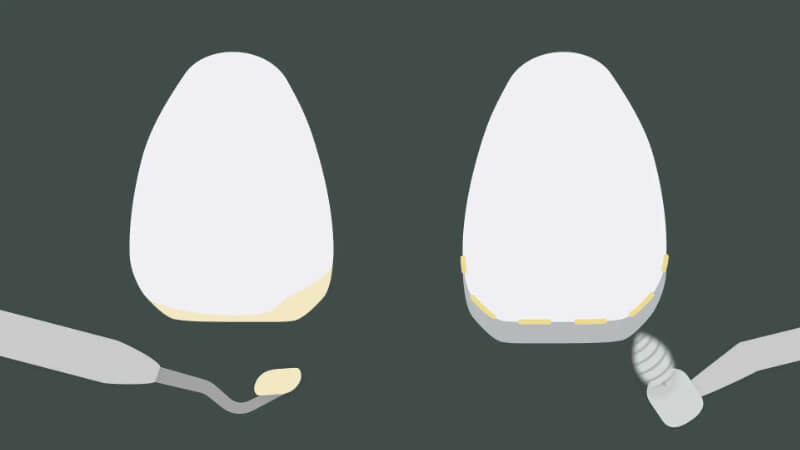
In the same way, a dental composite can add material to make a tooth longer or broader. It is also possible to remove material to shape teeth.
Use of dental composites:
Esthetic tooth-colored restoration.
Filling cavities.
Improving/modifying tooth size and shape.
Masking discolored teeth via composite veneering.
Advantages and Disadvantages
They look great since they can be matched to your natural tooth color.
They do not contain mercury, which can be bad for you.
Conservation of tooth structure.
Long-lasting.
It can be repaired.
Bonds to the tooth structure.
Economic restorative material.
They can be less resistant than other materials.