
Dental Implants: Do I need to work on my bone structure first?
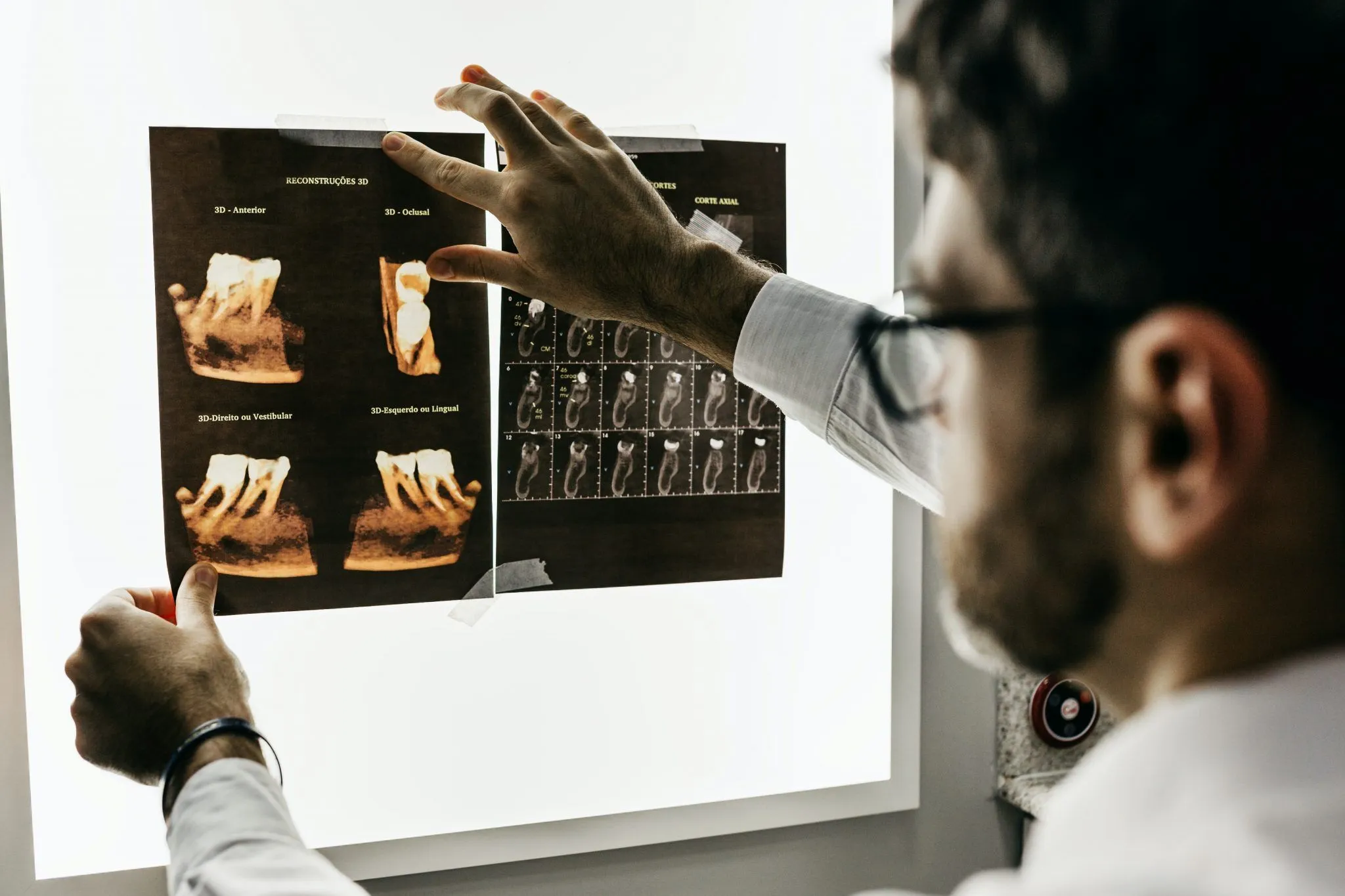
Dental implants have been around for years, and with perfect reason: They are the most successful way to replace teeth, with success rates well over 95%. Dental implants are probably the right choice if you are missing a tooth or a group of teeth. But how are they placed? Is the surgery painful? Can everybody get implants straight away?
How are dental implants placed?
Dental implants are usually placed in two stages:
The surgical stage: A screw-like structure is placed inside the bone and left to heal for some time (usually between 3 and 6 months)
The prosthetic stage: The overlying crown is placed after the bone healing period
Are dental implant procedures usually so straightforward?
If you seek replacement as soon as your tooth is lost, then chances are the procedure will be smooth and easy - just a simple half-hour procedure to place the screw in the bone, followed by a few stitches, with very minimal post-operative pain or swelling.
Waiting, however, has a lot of detrimental effects:
Sequential loss of bone structure: When a body organ isn't used, it begins to weaken and atrophy. The jawbone's main job is to hold the teeth in place, so when a tooth is lost, that function is also lost. Over time, the bone begins to degrade in both height and width.
Recession of the gums: The bones and teeth hold the gums firmly in position, so the gums usually follow when one or both are lost.
Enlargement of the sinus space: The maxillary sinus (a space of air that helps with breathing) is located just above the roots of the upper back teeth. With age and tooth loss, that space enlarges and creeps into the surrounding bone, resulting in a very large sinus and little bone in the area.
What happens in these cases?
That's where bone and soft tissue improvement surgeries come in. The bone must be in perfect condition before placing a dental implant, as the implant's success depends primarily on the bone's healing process. If the bone condition is not optimal, we risk placing excessive stress on the implant during healing, which could eventually lead to implant failure. These improvement surgeries include:
Bone grafting: Adding to the existing bone, improving its quantity (both in height and width) and quality. The bone can be autogenous (from your own body) or synthetic.
Sinus lifting: A supplemental bone improvement surgery where the sinus lining is "lifted" upwards and held in place by the bone graft, resulting in more bone height for implant placement.
Soft tissue grafting: The gums overlying the bone must also be healthy, strong, and adequate. If the gums have receded significantly while you were without teeth, they need to be improved by grafting, like the bone.
Is it worth it?
Both procedures are more straightforward than you think. In most cases, they are done simultaneously with the implant placement, so you will only undergo one very minor surgery. However, in cases of severe bone loss or sinus enlargement, the surgeon will opt for a 2-stage surgery - one where the graft is placed and one for the implants about 4 to 6 months later. It will only add a few months to the treatment plan, but it will undoubtedly improve the longevity and success of your implant.
Choosing a bone improvement surgery is far better than another form of tooth replacement. None comes close to the comfort, success, and lifespan of dental implants.