
Why do dental implants fail?
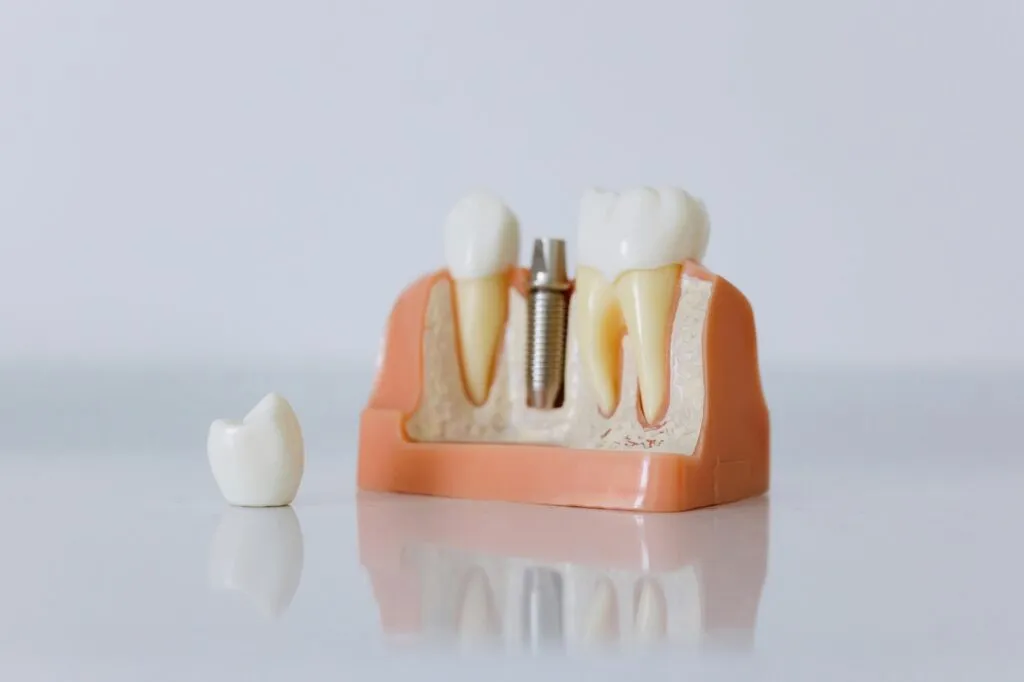
Are you planning on getting dental implants to replace your missing teeth? Dental implants are rapidly gaining popularity due to their durability, longevity, and aesthetic appearance. Despite the dental industry's high success rate, dental implant failure is a shortcoming worth understanding. Here are a few reasons why a dental implant might fail.
Problems During Surgery
This type of failure is primarily iatrogenic, meaning the dentist's lack of expertise causes it. Traumatic surgeries that lead to poor wound healing may cause the implant to fail. Similarly, if the dental implant protrudes into the upper (maxillary) sinus, it may loosen and fall off. Sinus lifting is a procedure conducted to raise the level of the upper sinus wall so that it does not contact the dental implant. The Periotest is a measure used to assess implant osseointegration during surgery; high Periotest values are also associated with dental implant failure.
Diabetes, Rheumatoid Arthritis, and Osteoporosis
These conditions can interfere with wound healing and may also disrupt the formation of new bone around the implant, which poses a significant threat to osseointegration - the process by which the dental implant fuses with the bone. Controlled diabetes usually does not affect osseointegration. It is also worth noting that certain medications, such as Selective Serotonin Reuptake Inhibitors (SSRIs) or medicines used to treat heartburn, can disrupt osseointegration. Providing your dentist with a detailed medical history before proceeding is strongly recommended.
Smoking
The contents of cigarettes, particularly nicotine and tobacco, act as vasoconstricting agents - they reduce the blood flow to the gums, which is necessary for wound healing and osseointegration of the dental implant. Smoking does not necessarily disqualify patients from dental implants, but it must be discontinued one week before the implant placement and for another two months post-insertion.
Types Of Dental Implants
The type of implant does not have as much impact on the failure rate as long as it is widely accepted and made of premium-quality materials. However, according to the literature, machined implant surfaces, moderately rough implant surfaces, and sintered porous surface implants exhibit higher failure rates.
Gum Disease
Periodontitis is associated with poor gum health and bone loss in the periodontium. Optimum bone levels in the oral cavity are crucial for the success of a dental implant. Your dentist would measure your bone levels in the tooth-bearing area before proceeding, as adequate bone levels are necessary to determine your eligibility for dental implant placement.
Implant Instability Due To Immediate Load
Sometimes, your dentist may provide an immediate replacement of the missing tooth or teeth. This protocol is widely accepted because it allows the patient to begin rehabilitation of the missing tooth as early as possible. However, if the patient fails to follow post-insertion instructions, micro-movements in the implant region may occur due to the "immediate load," creating a pathway for implant instability and, hence, failure.
Peri-implantitis
Peri-implantitis is a condition in which the tissue around an implant becomes inflamed. It is mainly caused by the accumulation of food particles in the implant region, provoking bone loss around the implant.
Poor Oral Hygiene and Compliance
Once your implant has been inserted and the tooth is replaced, your dentist will emphasize the need to maintain good oral hygiene and to visit regularly for routine check-ups. Accumulation of food particles and debris in the implant region triggers inflammation and may ultimately lead to implant failure. Maintaining excellent oral hygiene is mandatory for the success of a dental implant.
Allergic Reactions
Some people are allergic to certain metals, especially alloys. Titanium alloy is one of the materials used to manufacture dental implants. To prevent dental implant failure, make sure to inform your dentist of any allergies.
In the end, the best tool for successful implant surgery is information. The more information your dentist can work with, the better the options they can offer to make sure your implant surgery is as successful as possible.